


Shure MV7 Plus White
5.0 na 5 gwiazdek z 3 ocen klientów
()

Start 360°
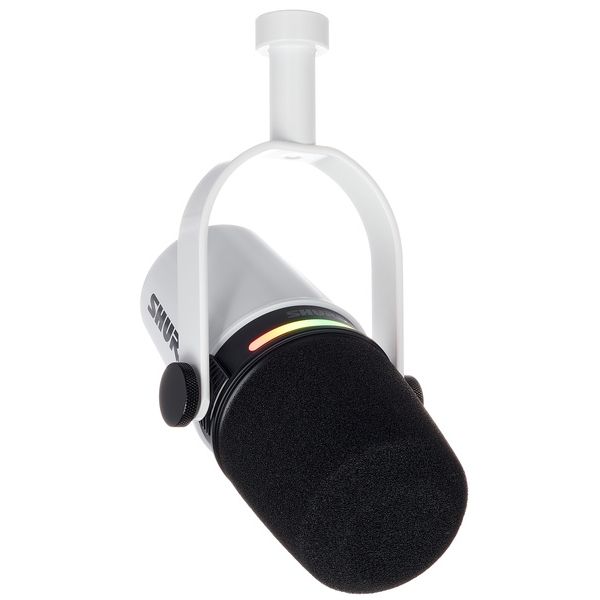
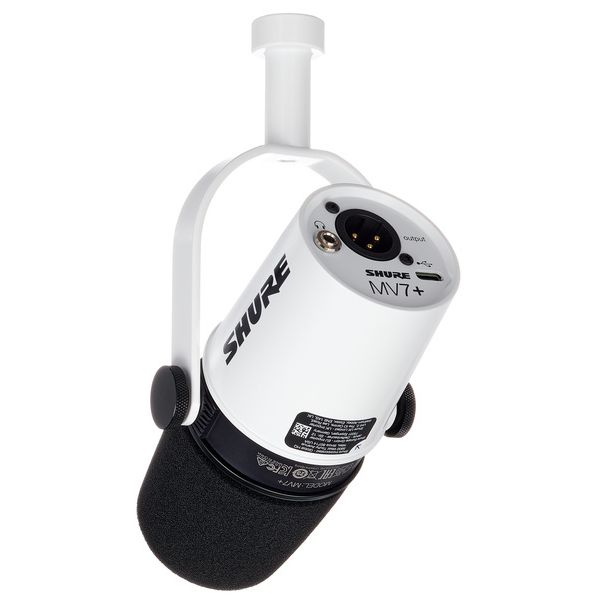
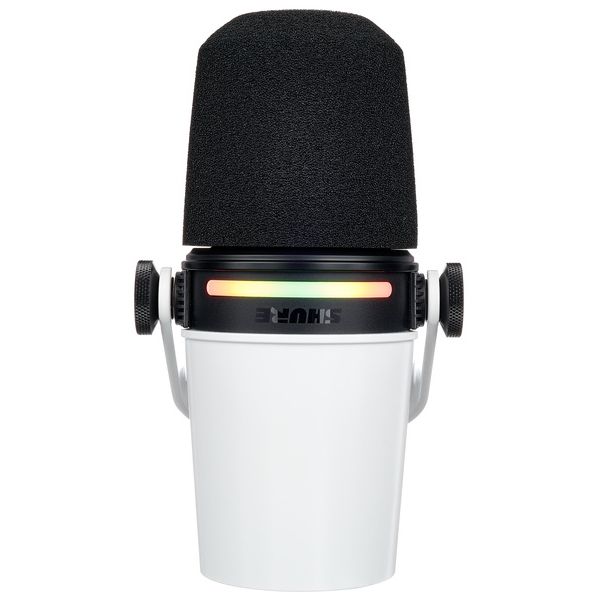
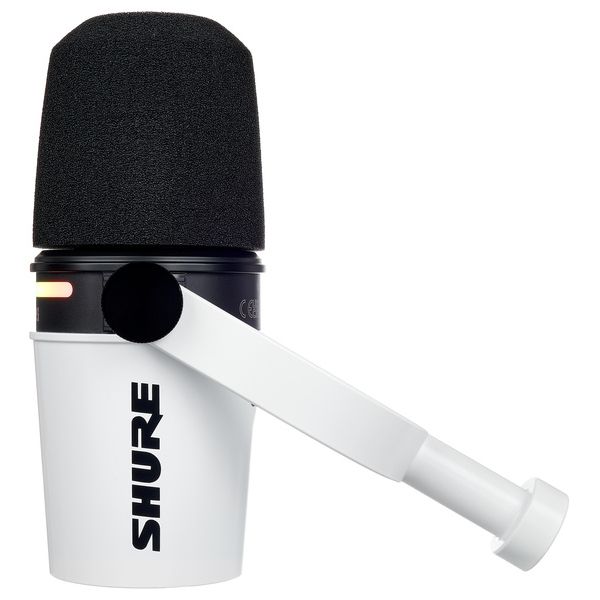
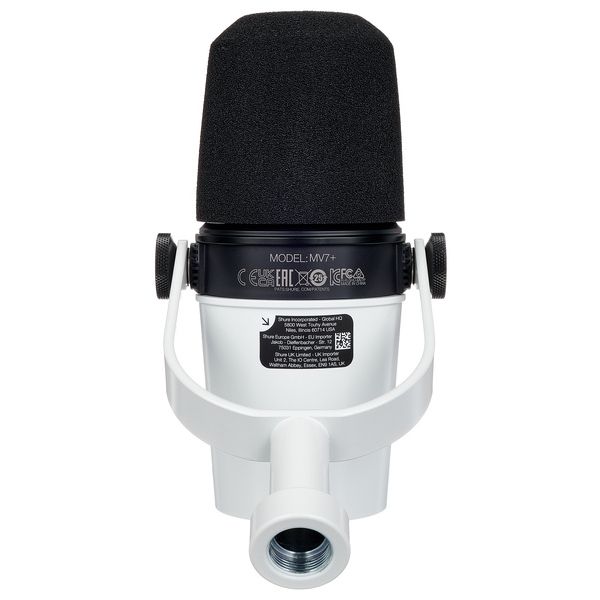
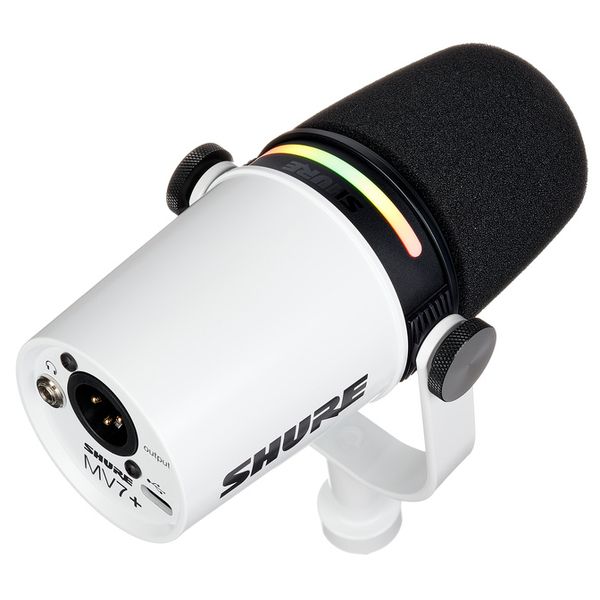


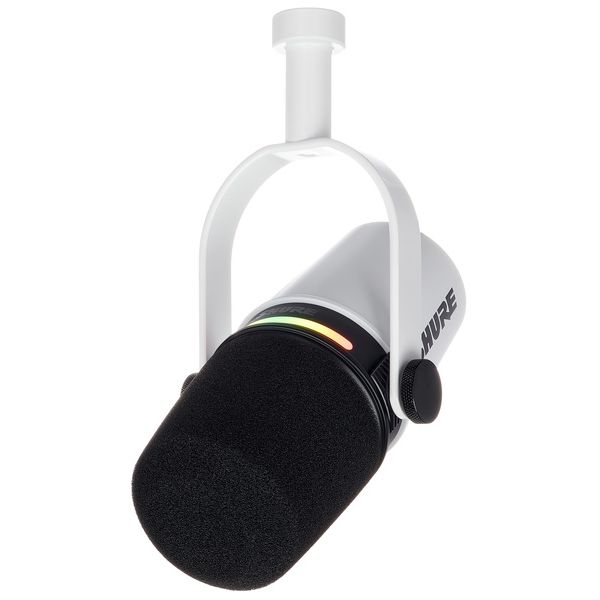
Dynamiczny mikrofon do podcastów
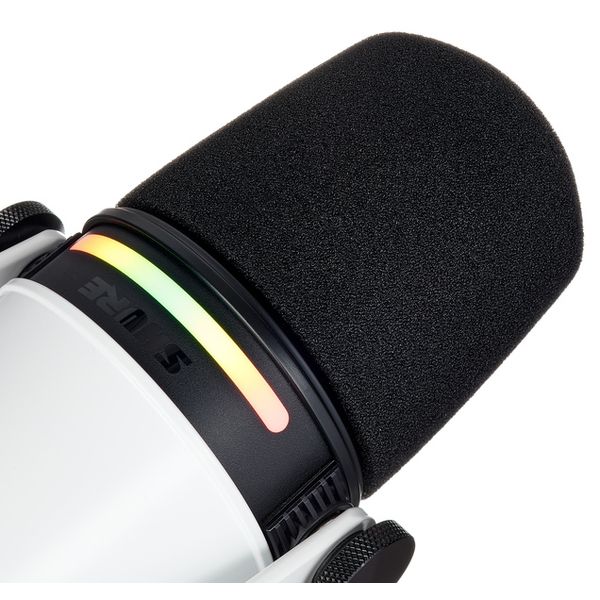
- Wielokolorowy panel dotykowy LED na samym mikrofonie służy jednocześnie jako przycisk wyciszenia oraz jako wskaźnik poziomu wejściowego lub monitorowania
- Aplikacja komputerowa ShurePlus MOTIV umożliwia użytkownikom zapisywanie własnych ustawień wstępnych lub aktywowanie automatycznego wzmocnienia, kompresji, pogłosu, redukcji szumów w czasie rzeczywistym oraz ustawień korektora
- Wewnętrzny uchwyt antywstrząsowy
- Digital Popper Stopper usuwa zgłoski wybuchowe poprawiając jakość dźwięku
- Kompatybilny z PC / Mac / iPad / Android
- Charakterystyka: kardioidalna (jednokierunkowa)
- Przetwornik A / D: 16 lub 24-bitowy, 44,1 lub 48 kHz
- Zakres częstotliwości: 50 - 16 000 Hz
- Regulowany zakres wzmocnienia: 0 do +36 dB
- Czułość: XLR -55 dBV / Pa (1,78 mV) przy 1 kHz, USB-C -33 dBFS / Pa przy 1 kHz (przy minimalnym wzmocnieniu, trybie płaskim 1 Pa = 94 dB SPL)
- Maksymalny poziom ciśnienia akustycznego USB: 128 dB SPL
- Tryby DSP (ustawienia wstępne): bliski / daleki, ciemny / naturalny / jasny
- Wymagania zasilania: zasilanie przez złącze USB lub złącze Lightning
- Certyfikat MFi
- Impedancja wyjściowa XLR: 350 Ω; przy 1 kHz
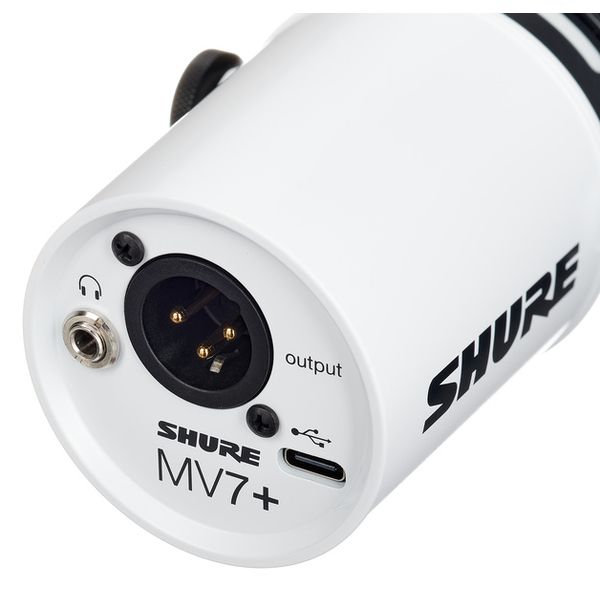
- Wyjście XLR lub USB-C
- Wyjście słuchawkowe: mini jack 3,5 mm
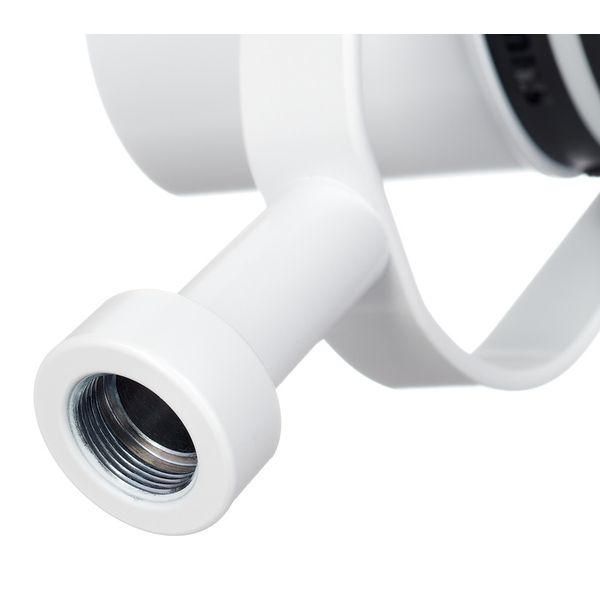
- Gwint 5 / 8"
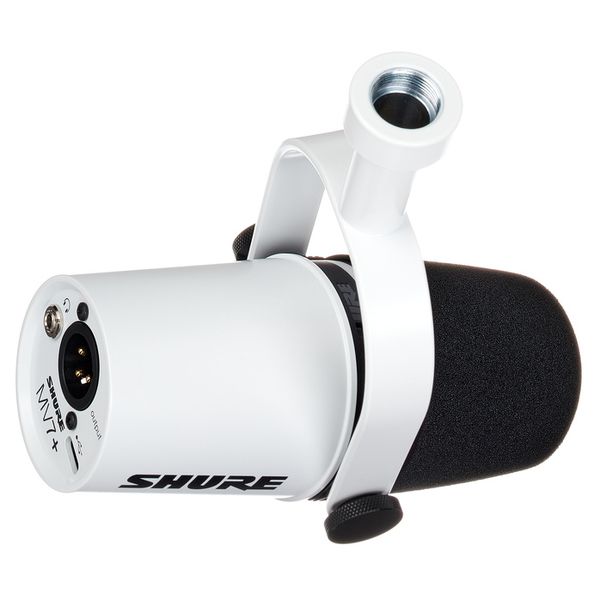
- Wymiary mikrofonu w uchwycie (wy. x dł. x gł.): 164 x 207 x 90 mm
- Waga: 573 g
- Kolor: biały
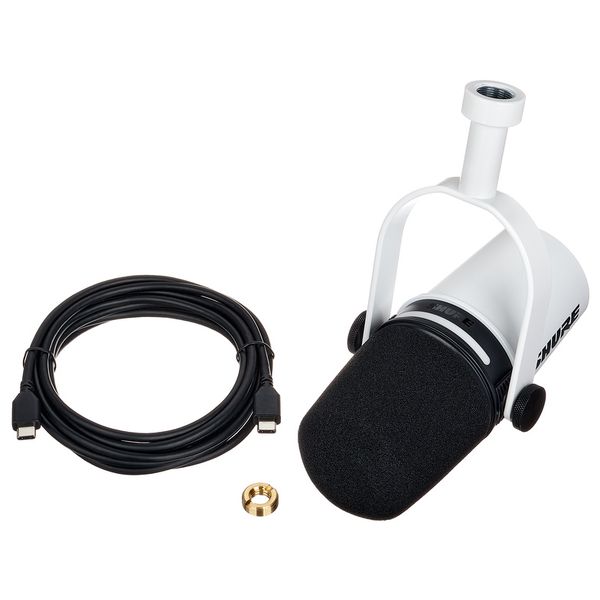
- W zestawie uchwyt oraz kabel USB-C na USB-C 3m
-
Produkt dostępny od Czerwiec 2024
-
Numer artykułu 590403
-
Jednostka sprzedaży 1 szt.
-
On/Off Switch No
-
Polar Pattern Switchable
-
Phones Output Yes
Wyświetl wariacje tego produktu

Akcesoria i pasujące produkty


Porównaj opcje
-
Wyświetl Shure Mikrofony Lektorskie
-
pokaż Mikrofony Lektorskie w cenie od 1250 zł - 1750 zł
-
do grupy produktów Mikrofony Dynamiczne Allround
-
do grupy produktów Mikrofony Lektorskie
-
do grupy produktów Mikrofony USB/Podcast
-
do grupy produktów Mikrofony
-
Informacje o firmie Shure
-
Shure Mikrofony