

Do treści strony

Bezprzewodowy system dousznego monitoringu UHF

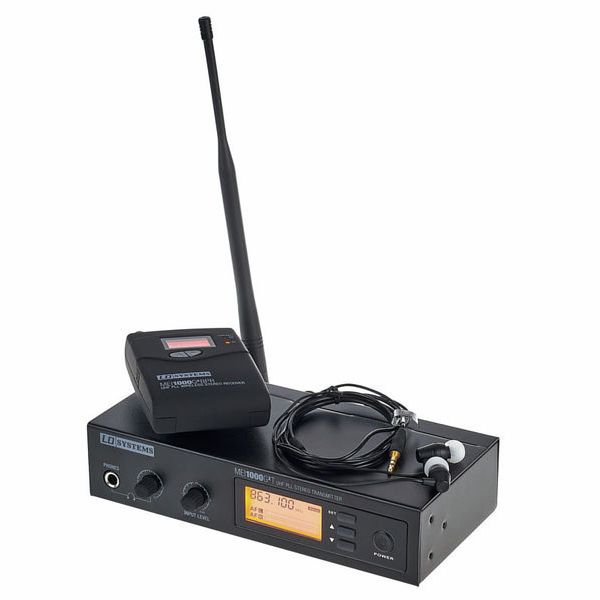
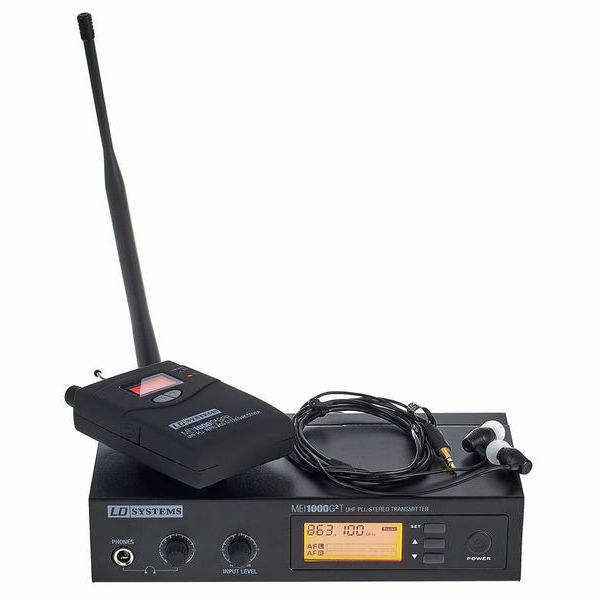
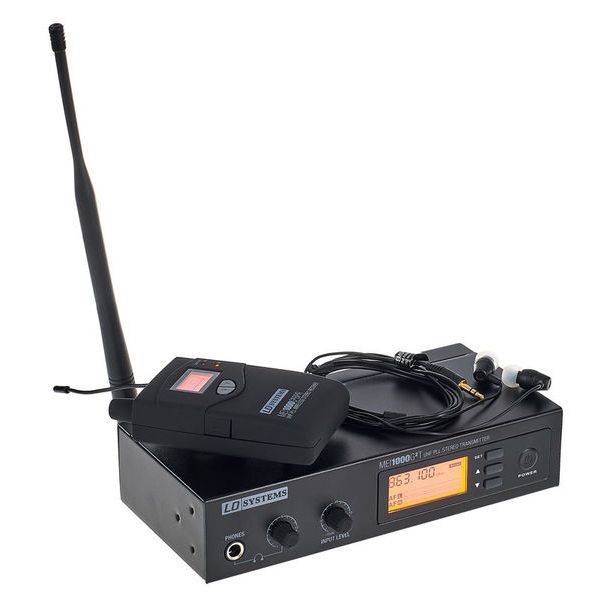
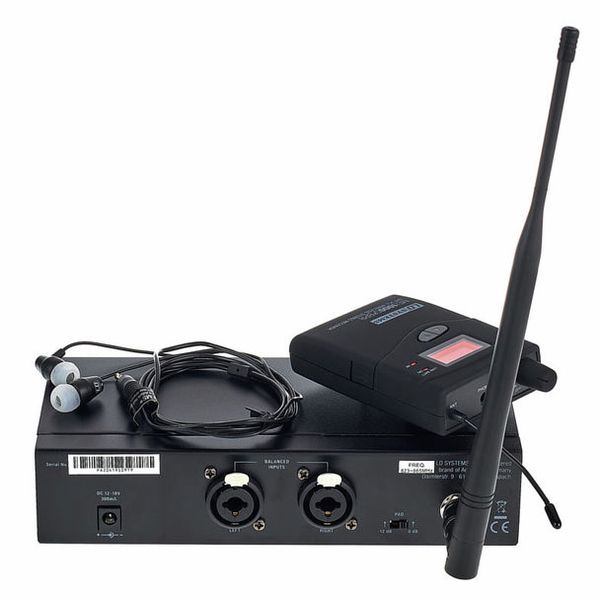
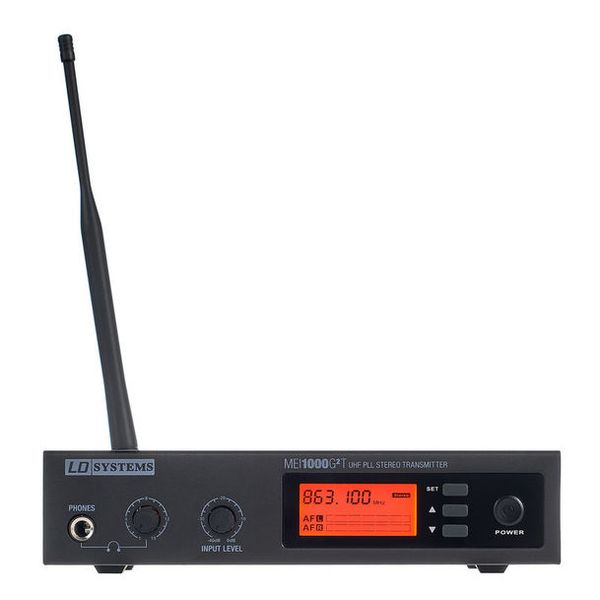
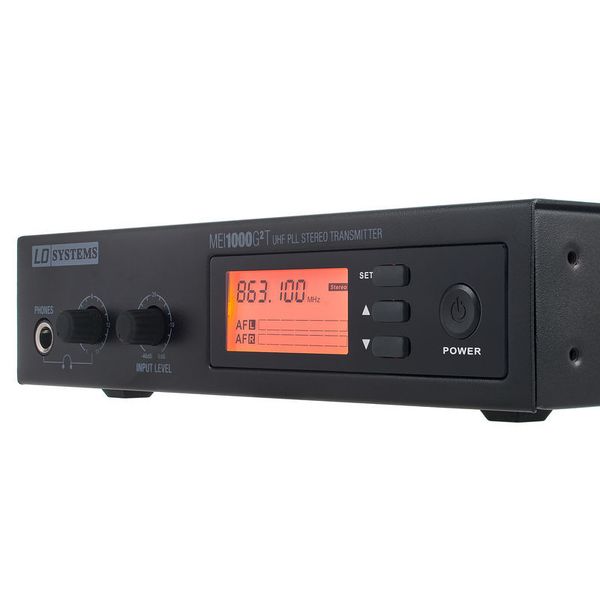
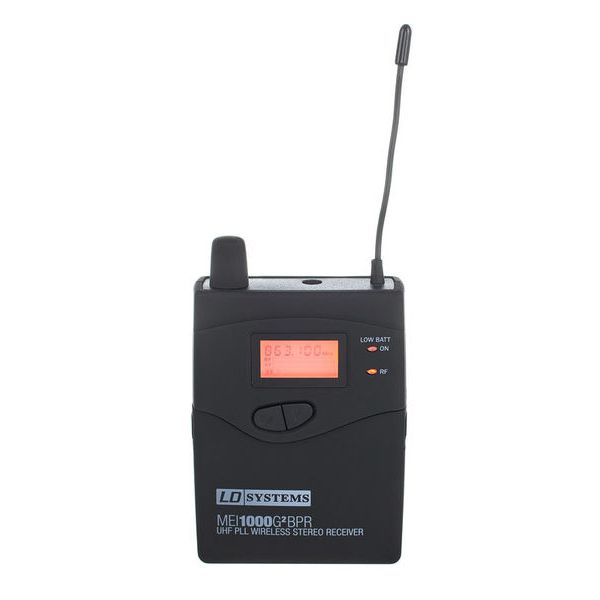
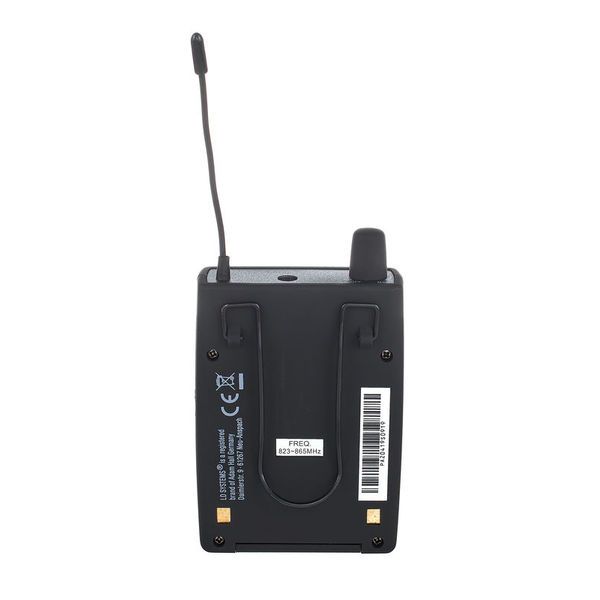
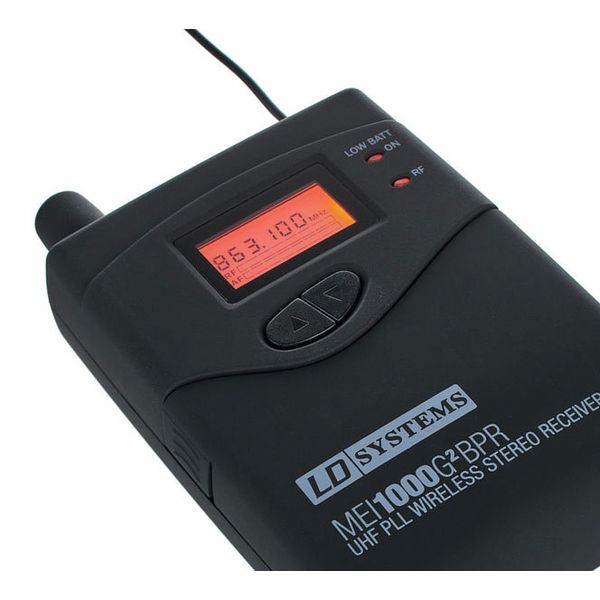
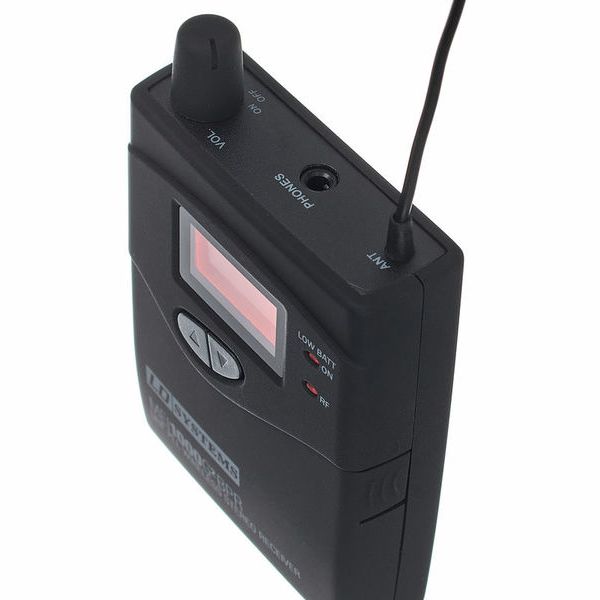
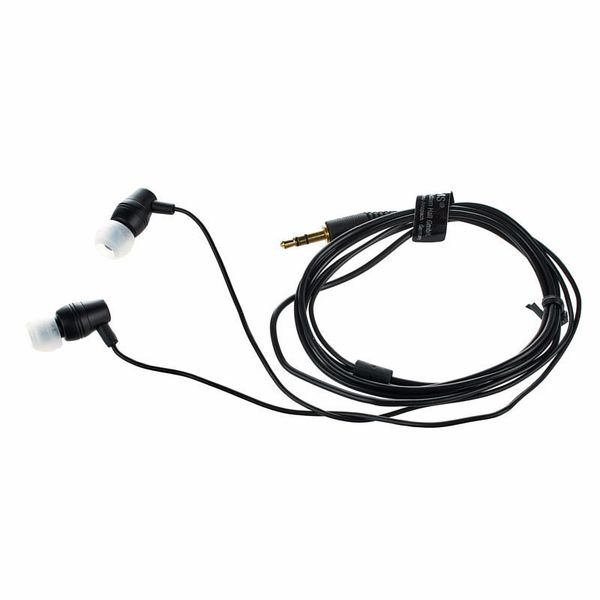
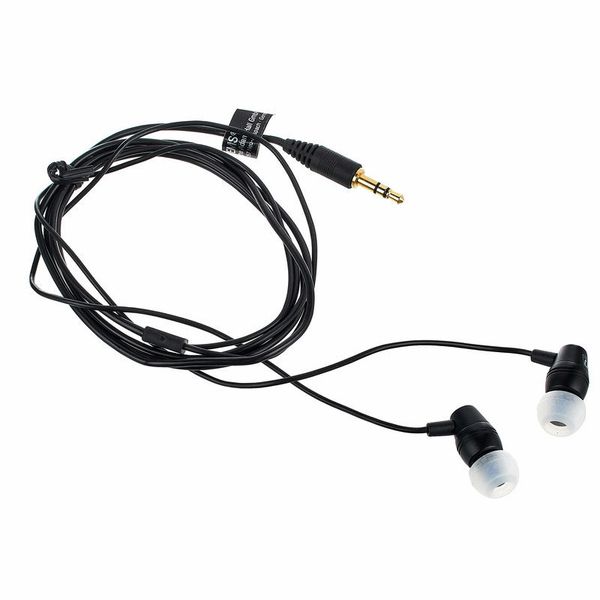
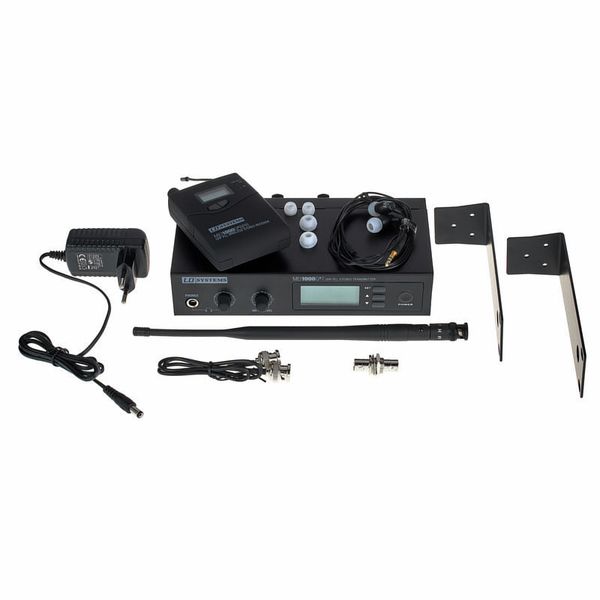
  • Składa się z 9,5" nadajnika stereo MEI 1000 T, odbiornika Bodypack MEI 1000 BPR i słuchawek
  • Do 8 równoległych systemów, 160 wybieranych częstotliwości
  • Zakres częstotliwości: 823 - 832 MHz oraz 863 - 865 MHz
  • Praca w trybie Mono i Stereo
  • Zintegrowany limiter do +12 dB
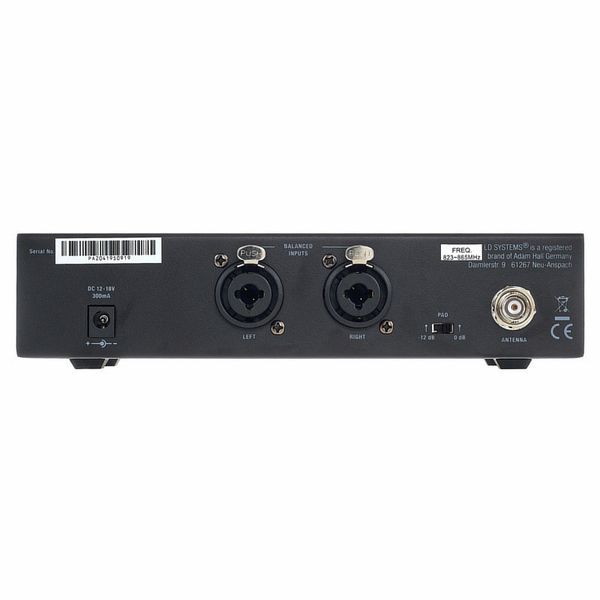
  • 2 wejścia combo jack/XLR
  • Wyjście słuchawkowe
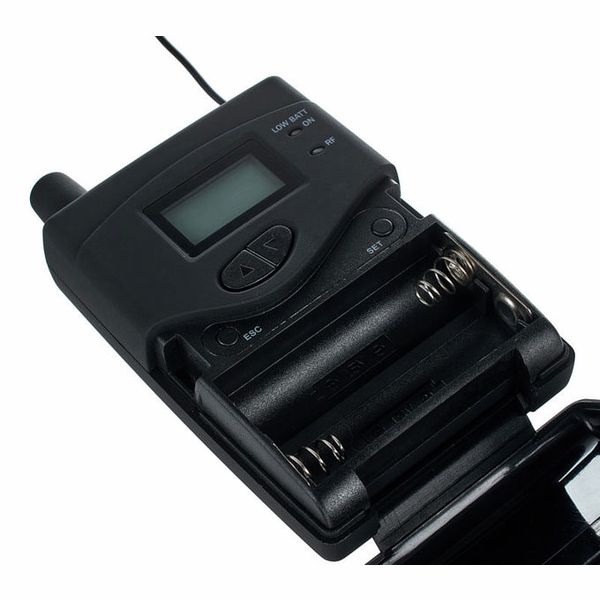
  • Praca na 2 bateriach AA
  • Odłączana antena BNC
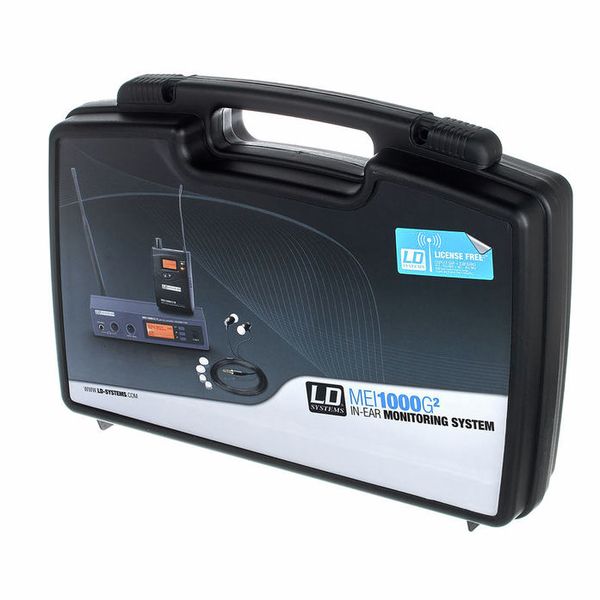
  • Zawiera stojak, baterie, kabel antenowy do montażu z przodu i plastikową obudowę
  • Produkt dostępny od Listopad 2013
  • Numer artykułu 315469
  • Jednostka sprzedaży 1 szt.
  • Switchable Frequencies Yes
  • Mono/Stereo Stereo
  • Limiter Yes
  • Incl. Earpieces Yes
  • Focus, Mixed, Dual Mono Yes
  • Frequency from 823 MHz
  • Frequency to 865 MHz
Dostępny B-Stock od 1 135 zł
1 299 zł
Ceny z podatkiem VAT
Dostępny w magazynie
1

Informacje na temat używania dozwolonych częstotliwości

Tutaj znajdują się informacje na temat dozwolonych częstotliwości w poszczególnych krajach, dla powyższego urządzenia bezprzewodowego.

Poprawność przedstawionych informacji nie jest gwarantowana

524 Oceny klientów

4.4 / 5

obsługa

właściwości

dźwięk

wykończenie

308 Opinie

o
Bezproblemowy, dobrej klasy system
opok_junior 15.11.2021
Bardzo fajnie grający odsłuch w stereo. Jedynie co się można przyczepić, to słabe słuchawki i warto dobrać coś lepszego do tego
obsługa
właściwości
dźwięk
wykończenie
0
0
Zgłoś nadużycie

Zgłoś nadużycie

A
Arturex 27.06.2019
System wart swojej ceny a nawet więcej...
obsługa
właściwości
dźwięk
wykończenie
1
1
Zgłoś nadużycie

Zgłoś nadużycie

M
Very nice budget IEM system
Marek222222 15.07.2026
After many gigs played on it - reliable. Trebles are a little bit lost and plastic bodypack has to be handled with care.
obsługa
właściwości
dźwięk
wykończenie
0
0
Zgłoś nadużycie

Zgłoś nadużycie

google translate gb
Wystąpił błąd. Proszę spróbować później.
B
There is no need to spend more for decent wireless in ear monitoring
BlackSpire 26.10.2021
I was told by many people, that any wireless in ear divices below 600.- are unusable and not even worth to be tried out.
This is why I decided to run a comparison between the LD Systems MEI 1000 G2 (299.-) and a Sennheiser ew IEM G4 (1'033.-).
Sound Quality:
The Sennheiser has better audio quality and less noise. The LD Systems quality is however enough for my requirements, and the noise is only audible when there is no sound being transmitted and I started to filter it out automatically after a short while.
Wireless IEMs seem to have an inherent issue with very low and very high frequency sounds. In this regards and specifically for bass guitar sound, the LD Systems is lacking. While the sennheiser handles low end better, it is still far from perfect and in essence not three times better than the LD Systems.

Build Quality:
Both senders are encased in a metal housing and have no advantage over one another. The sennheiser body pack has a metal housing as well and semms a lot sturdier than the LD Systems. Both devices have been in use in Live situations and I have dropped the LD Systems a few times already without noticing any subsequent issues. While the sennheiser will probably last longer than the LD Systems I don't think it will outlast it by more than 3 time.

Configurability:
The sennheiser offers more configurability options and a more intuitive menu. But within half an hour of fiddeling more I had the LD Systems setup just as good as the sennheiser.

Quality of Life Features:
The Sennheiser has a sync function to automatically set the body pack to the same frequency as the sender. If you need to change frequencies often, this might be quite nice. In my experience, once you have a good frequency distribution between all your wireless devices, there is seldom a need to change the frequencies.
The LD Systems body pack produces a loud pop when you turn it on. I therefore tend to turn it on before pluggin my head phones in. This is not an issue on the Sennheiser body pack.


Conclusion:
Yes the Sennheiser is better than the LD Systems, but not so much so, that it warrants a 700.- price increase. In my opinion this money is better spent in proper in ear monitoring head phones or devices like the Behringers PM16 Personal Mixers to improve your in ear monitoring sound sound. The LD Systems works for me to perfectly hear all 6 instruments in my (Folk Metal) Band. This is however mostly thanks to my good in ear head phones (Vision Ears Custom Fits) and the channel wise stereo panning I can create on my PM16.

One point in favor of the sennheiser or the slightly less expensive shure devices is their options to manage the frequencies of multiple devices from computer software, that calculated the perfect frequency distribution as well as automaticall avoids frequencies that are already in use (if you have a frequency scanner antenna).
But there are also free tools that will do this for you. The only difference is, that you need to enter the frequencies for each device manually.

Rating:
Assume that the Sennheiser gets a rating of 5 stars across. In terms of sound, the LD Systems is almos as good in the most important category: sound.
In regards to quality, the Sennheiser needs to outlast 3 sequentially bought LD Systems before justifying its price.
Both the lack in handling and features can be overcome by not requiering a plug and play solution and spending maybe an hour more for the initial setup
obsługa
właściwości
dźwięk
wykończenie
32
5
Zgłoś nadużycie

Zgłoś nadużycie