

Do treści strony

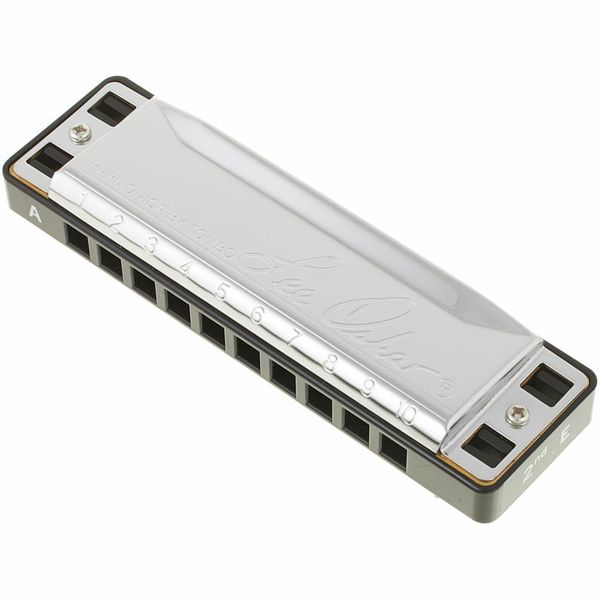
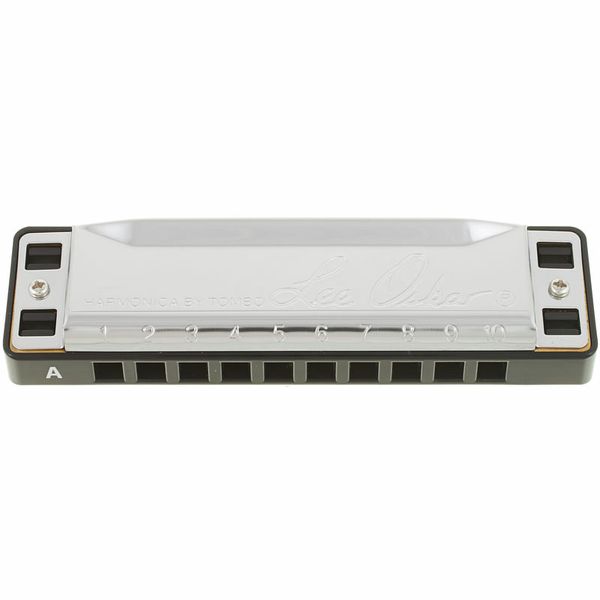
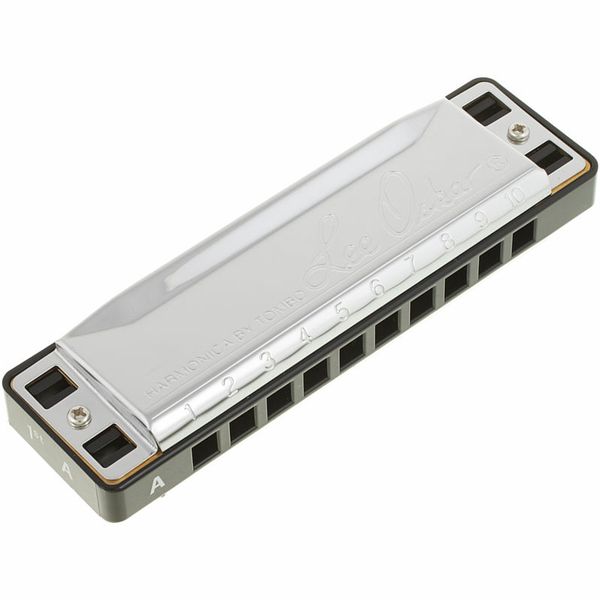
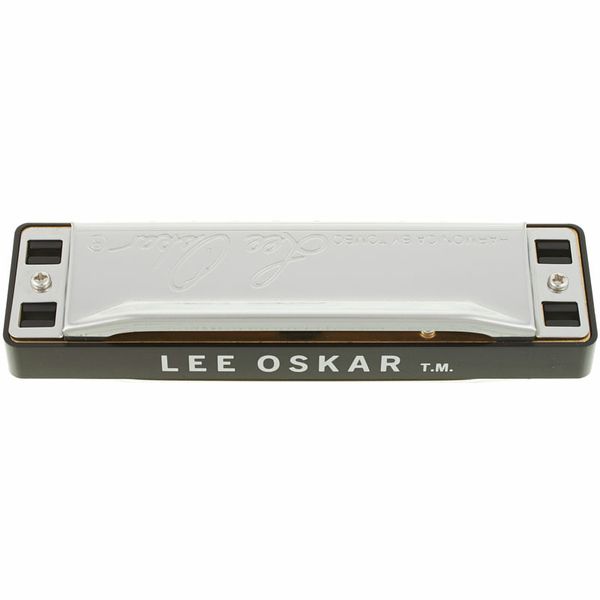
Harmonijka ustna

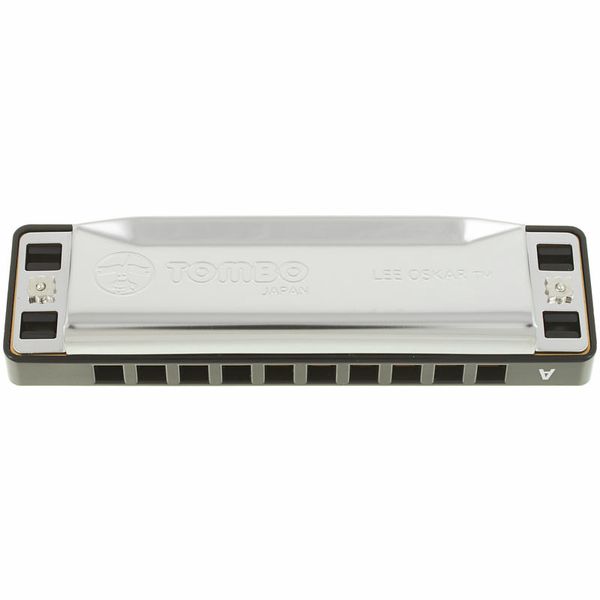
  • Strojenie: A
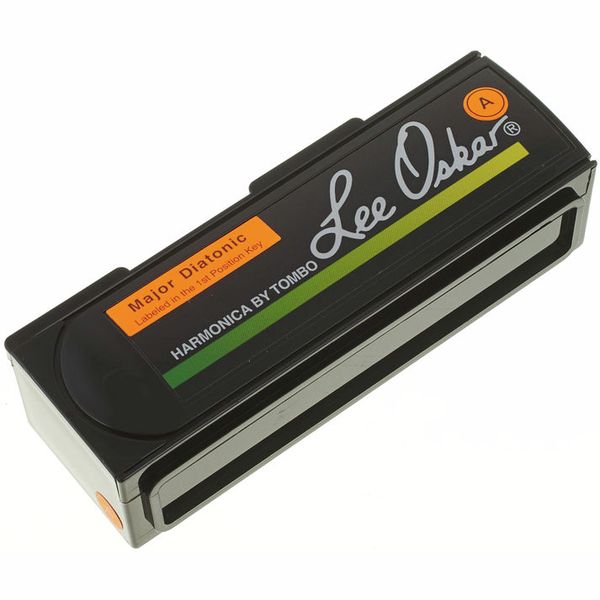
  • Model: „Major Diatonic”
  • System Richtera
  • Najpopularniejsza harmonijka ustna do bluesa, rocka, country, folku i jazzu
  • 10 komór
  • 5-krotnie przykręcane płytki stroikowe z mosiądzu
  • Pokrywa ze stali nierdzewnej
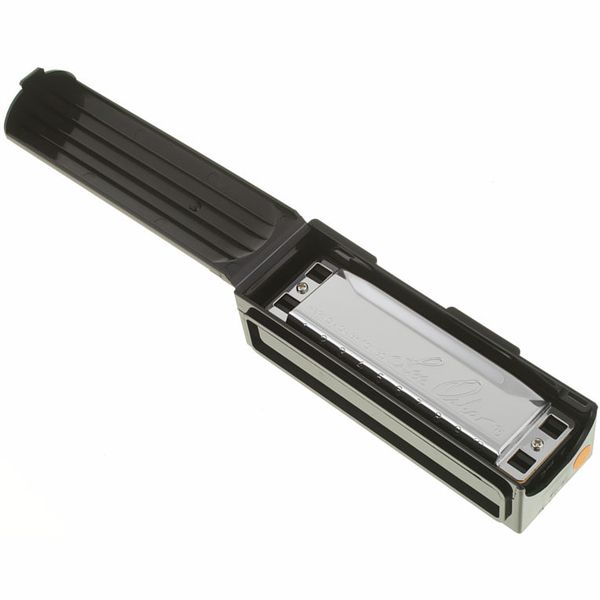
  • Wysokiej jakości etui z tworzywa sztucznego z klapką
  • Produkt dostępny od Marzec 2002
  • Numer artykułu 153766
  • Jednostka sprzedaży 1 szt.
  • Tuning A
  • Comb Plastic
  • Number Of Reeds 20
175 zł
Ceny z podatkiem VAT
Dostępny w magazynie
1

160 Oceny klientów

4.6 / 5

dynamika

właściwości

dźwięk

wykończenie

83 Opinie

L
Gramy od E
LeeOskarSpecial20 15.12.2024
Gramy w piatki wieczorem, alkohol leje się strumieniami. Gramy różnie. Miękko, lekko, ciężko, gęsto. Szybko, wolno. Rock, metal, punk, reggae, bluesa, jazz. Nie odstawiamy nogi. Ja używam Lee Oskar i Hohner. Ogromny plus dla Oskara za wymienny środek.
dynamika
dźwięk
wykończenie
właściwości
0
0
Zgłoś nadużycie

Zgłoś nadużycie

google translate gb
Wystąpił błąd. Proszę spróbować później.
G
Best Choice.
Gaz. 28.05.2013
I play Harmonica with The Sunny Day Blues Band so I get through quite a few harps.
Over the years I've tried more expensive makes and models, with stainless steel reeds, valved, wooden/aluminium combs etc, hoping they will be better and last longer, but have always been disappointed with the results.
In my opinion, Lee Oskar's are the best value for money harps you can buy off the shelf. They are loud, have good tone, fast response and one of the easiest of harps to bend notes, so I especially recommend them for beginners.
The only other harmonica that I use regular is the Hohner special 20, which is very similar in all aspects mentioned, but the replacement reed plates that are readily available for the Lee Oskar, makes the Lee Oskar more economical.
dynamika
dźwięk
wykończenie
właściwości
1
0
Zgłoś nadużycie

Zgłoś nadużycie

google translate gb
Wystąpił błąd. Proszę spróbować później.
NZ
Good Sound
Nomad Z 20.10.2014
I had a cheap diatonic harmonica in G for years and only messed about with it without really learning how to play. When I decided to take things further, research suggested that the Lee Oskars were good quality and maybe a bit easier for learning how to bend notes.

I can't comment on the ease of bending because I haven't tried any other good quality makes yet, but I am now able to do bends fairly well (and getting better the more I practice). However, the thing that stood out the most with the Lee Oskar compared to the cheap harp was the sheer volume and responsiveness. It is far louder, much more responsive, and brighter sounding. It's as if the cheap harp has something added to the reeds make it sound dull and lifeless. Although I'm by no means a serious harp player, I would not buy a cheapie again - even if just playing for fun, a good sound can make a big difference.

One thing I'm less keen on with the Lee Oskar is that I get some discomfort in my left hand, between the thumb and first finger, when using a microphone. It seems to be the edge of the comb at the end, which is quite square. It could be the way I'm holding it, but I note elsewhere that someone else took to sanding down the edge a little to make it a bit more rounded. I take this to be simply due to the shape (or maybe my technique) and not something specific to Lee Oskar. For my next harp, I might try one of the types with full width covers that have more rounded ends (like a Seydel Session).

Another plus point for the Lee Oskars is that repalcement reed plates are available for about half the cost of a new harp.

Overall, a very good harmonica which has inspired me to play much more than the cheapie ever did.
dynamika
dźwięk
wykończenie
właściwości
0
0
Zgłoś nadużycie

Zgłoś nadużycie

google translate gb
Wystąpił błąd. Proszę spróbować później.
LL
Great Sound!
Lorenzo Lanfranconi 27.05.2025
The best product for Blues Players
dynamika
dźwięk
wykończenie
właściwości
0
0
Zgłoś nadużycie

Zgłoś nadużycie