

Do treści strony

Multi-Effect Pedal

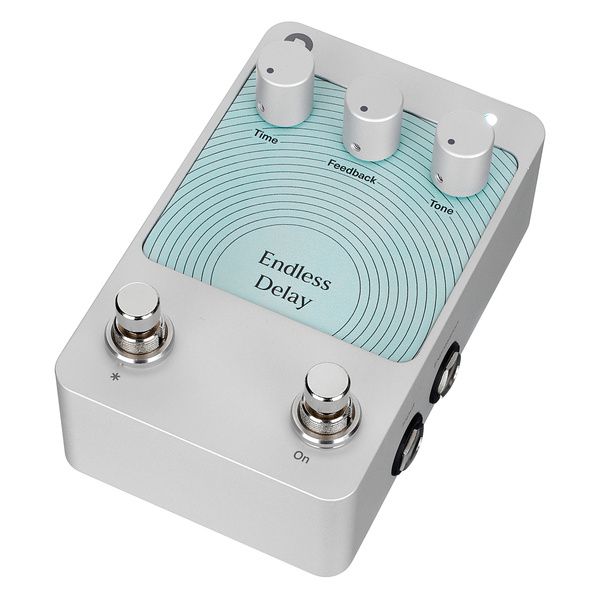
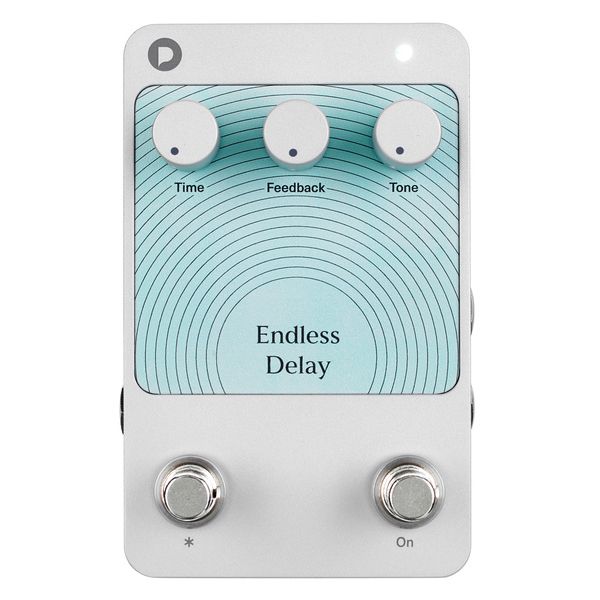
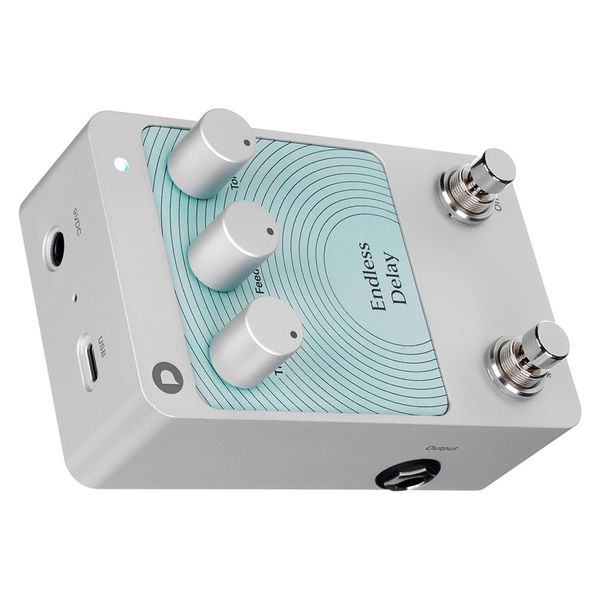
  • Flexible multi-effect pedal with fully customisable effects
  • Create your own effects using text descriptions in the Polyend Playground platform or through C++ coding.
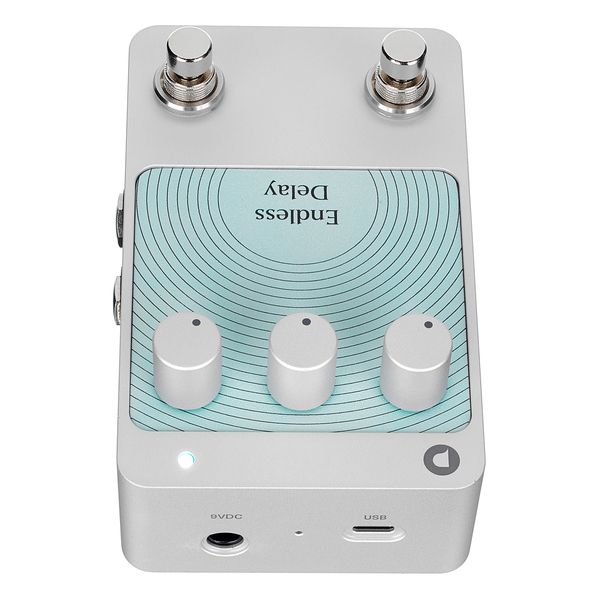
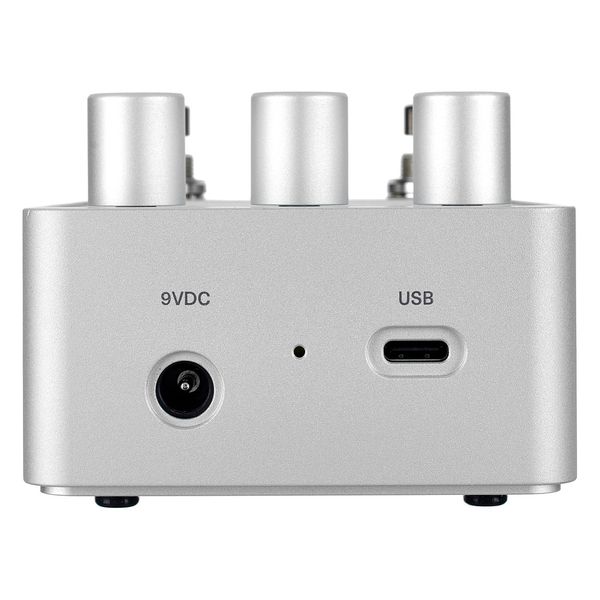
  • Easy drag-and-drop transfer of finished effects via USB-C
  • The Polyend Playground platform enables the creation of a wide variety of effects via AI using specific text prompts – even chains of effects can be generated as a single effect.
  • Large and growing collection of free community-generated effects available
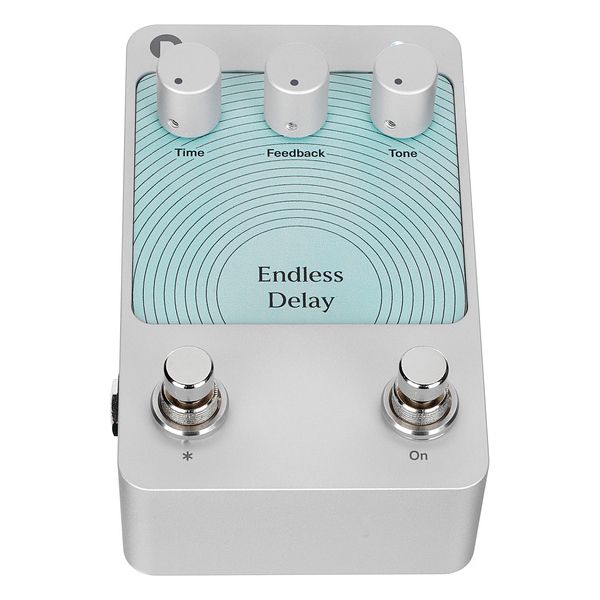
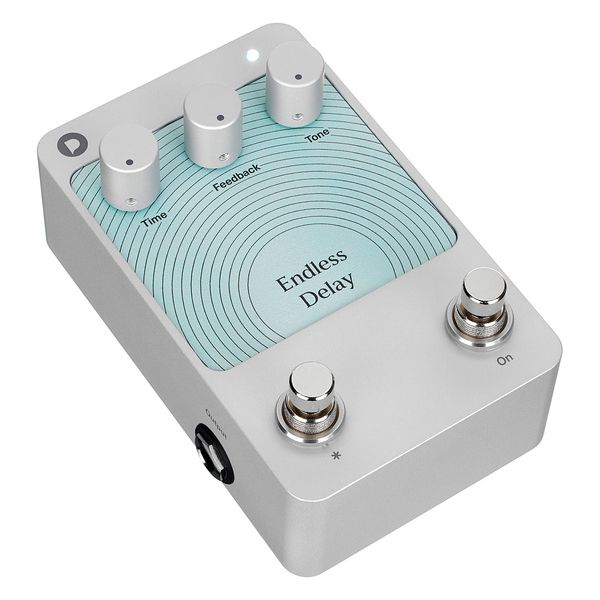
  • Robust housing made of milled aluminium with magnetically interchangeable front plate
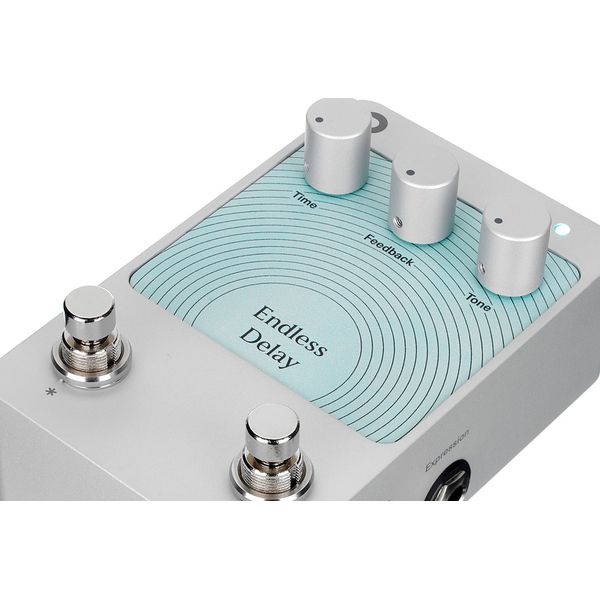
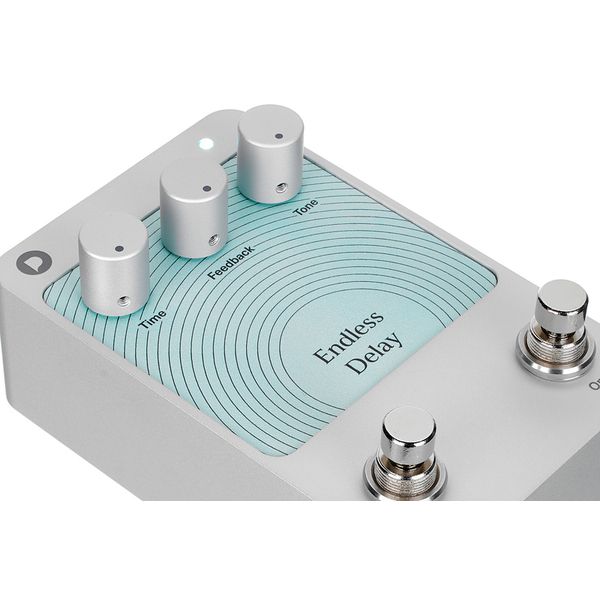
  • Three freely assignable controls
  • Two foot switches with freely assignable functions and LED status display
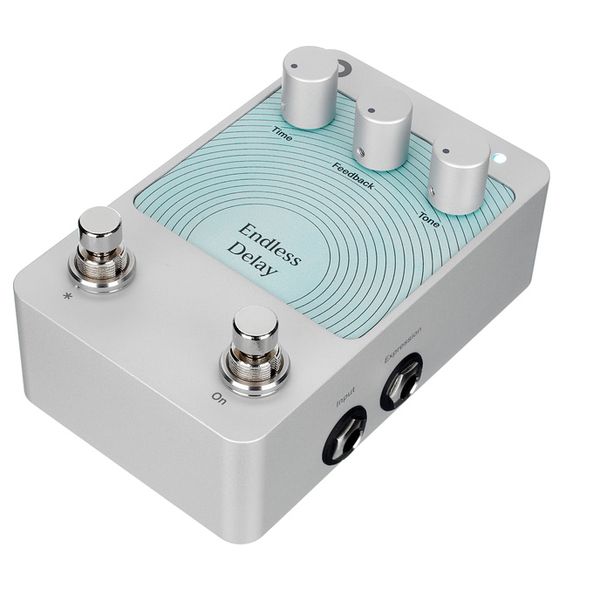
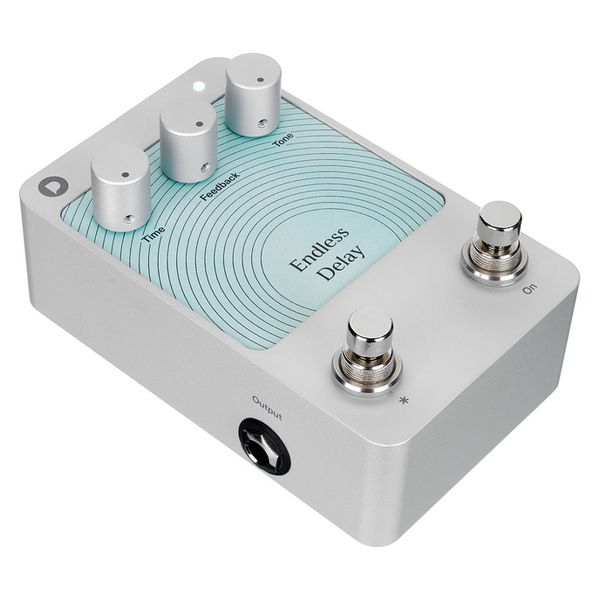
  • Stereo inputs and outputs
  • Switchable between stereo, mono and mono-to-stereo
  • 48 kHz / 24-Bit audio path
  • Suitable for guitars, synthesizers, drum machines and experimental setups
  • Power supply: 9–12 V DC, 200 mA (power supply unit not included)
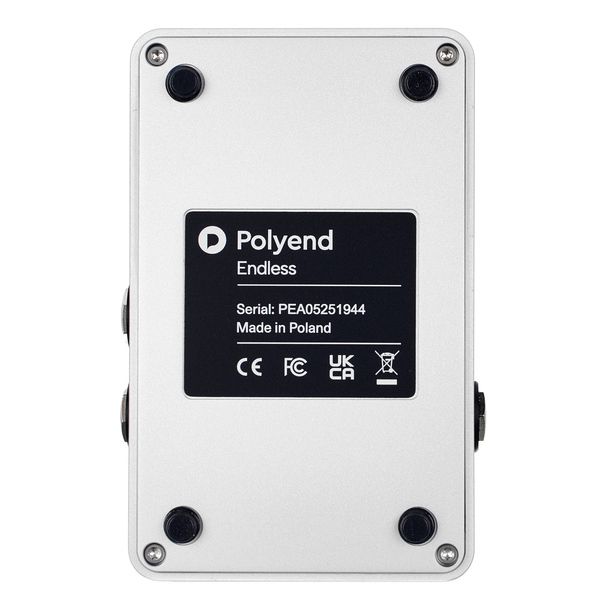
  • Dimensions: 120 x 80 x 55 mm
  • Weight: 0.4 kg
  • Scope of delivery: Endless Pedal, magnetic front panel (unprinted) and Playground tokens ($20)

Note: Creating your own effects via the Polyend Playground platform requires tokens, which may incur additional costs. Community effects are free.

  • Produkt dostępny od Marzec 2026
  • Numer artykułu 637304
  • Jednostka sprzedaży 1 szt.
  • Design Pedal
  • Amp Modeling Yes
  • Drumcomputer No
  • Incl. Tuner No
  • Expression Pedal No
  • USB-Port Yes
  • Headphone Output No
  • MIDI Interface No
  • Line Out Yes
  • Battery Operation No
  • PSU included No
  • Filter Yes
  • Effects Yes
1 255 zł
Ceny z podatkiem VAT
Dostępny w magazynie
1

2 Oceny klientów

3 / 5

obsługa

właściwości

dźwięk

wykończenie

2 Opinie

google translate gb
Wystąpił błąd. Proszę spróbować później.
F
Very handy idea,and fun, but not ready yet.
Feliponcito 08.05.2026
This feels like an interesting prototype of a concept that could eventually become an essential feature in modern hardware design. The idea behind the Polyend Endless is genuinely forward-thinking, and I can easily imagine a future where this kind of integrated programmable DSP environment becomes standard across performance gear.

That said, the current implementation feels far from mature. The biggest issue, in my opinion, is that both the sound quality and the feature set fall short when it comes to real-world performance use. Even the factory-installed delay algorithm doesn’t feel entirely reliable or polished. Most of the patches and experiments I tried afterwards were unfortunately quite underwhelming from a sonic and practical standpoint.

I hesitated several times before writing this review because I genuinely like Polyend as a company. I own both the Polyend Step and the Polyend Mess, and I think they are outstanding pieces of gear that easily compete above their price range and, in some areas, outperform much of the competition. Unfortunately, I can’t say the same about the Endless.

Right now, the Endless feels incomplete ,almost like an early developer platform or a public beta rather than a finished performance tool. It desperately needs further firmware development, refinement, or perhaps even a proper MKII revision. At its current stage, it feels raw and not fully ready for professional live use.

Personally, I wouldn’t rely on it for a gig or any critical performance situation. Where it does shine is as an experimental platform for people interested in DSP programming, prototyping, and creative coding in C++. In that context, it can actually be a lot of fun and potentially very inspiring. But as a reliable live effects machine, it still has a long way to go.
obsługa
właściwości
dźwięk
wykończenie
1
0
Zgłoś nadużycie

Zgłoś nadużycie

google translate de
Wystąpił błąd. Proszę spróbować później.
S
Grundidee top – Umsetzung mit Einschränkungen
Sommerzeit 04.05.2026
Die Grundidee, mithilfe von KI individuelle Effekte zu generieren, ist innovativ und besonders für experimentelle Musiker (Ambient, Sounddesign etc.) äußerst interessant. Erste Versuche mit einfacheren Effekten funktionieren gut und liefern teils kreative Ergebnisse.
Im praktischen Einsatz zeigen sich jedoch deutliche Schwächen: Das System ist nicht für schnelles Arbeiten ausgelegt. Ladezeiten von bis zu 30 Sekunden pro Effekt sowie das Fehlen eines Preset-Speichers (nur ein Effekt gleichzeitig möglich) machen das Gerät für Live-Anwendungen nur eingeschränkt nutzbar.
Auch die Hardware hat Limitierungen: Kein Display, nur drei Regler und keine MIDI-Anbindung – das schränkt die Steuerung komplexerer Effekte erheblich ein. Die Verarbeitung ist hochwertig, allerdings sind die Fußschalter sehr schwergängig.
Größter Kritikpunkt ist jedoch die KI-Umgebung (Playground):
Bei der Entwicklung komplexerer Effekte kommt es häufig zu inkonsistentem Verhalten. In meinem Fall habe ich über viele Stunden hinweg versucht, einen Chase Bliss Blooper in einer erweiterten Stereo-Version mit mehreren Layern und Randomizer-Funktion nachzubilden. Trotz detaillierter und optimierter Prompts wurden durch kleine Änderungen bereits funktionierende Teile des Effekts zerstört.
Ein echtes Problem ist das fehlende Versionsmanagement: Es gibt keine Möglichkeit, zu einem früheren Stand zurückzukehren. Korrekturversuche kosten jedes Mal Tokens, was schnell ins Geld geht (bei mir ca. 40 € für ein nicht vollständig zufriedenstellendes Ergebnis).
Fazit:
Klanglich und konzeptionell sehr stark – insbesondere die Reverbs sind auf Top-Niveau. In der aktuellen Form jedoch durch die Einschränkungen im Workflow und das Tokensystem für komplexe Anwendungen nur bedingt empfehlenswert.
obsługa
właściwości
dźwięk
wykończenie
0
0
Zgłoś nadużycie

Zgłoś nadużycie